

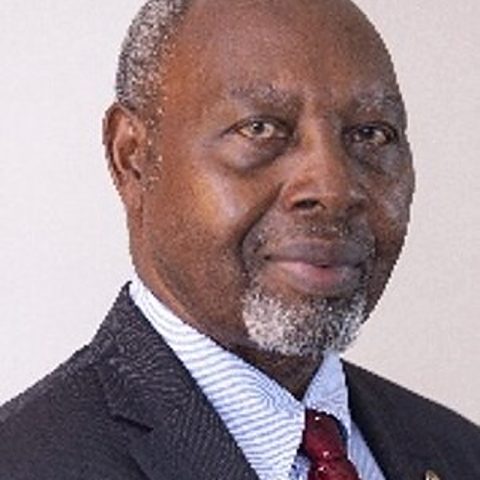
Chair, Scientific Programme Committee
Prof. Charles Mbogo

Vice Chair, Scientific Programme Committee
Institut de Recherche en Sciences de la Santé (IRSS) & Centre Muraz, Burkina Faso
Dr. Etienne Bilgo is an Associate Research Professor at the Joint Parasitology and Medical Entomology Laboratory of the Institut de Recherche en Sciences de la Santé (IRSS) and Centre Muraz in Bobo-Dioulasso, Burkina Faso. His…
Dr. Etienne Bilgo is an Associate Research Professor at the Joint Parasitology and Medical Entomology Laboratory of the Institut de Recherche en Sciences de la Santé (IRSS) and Centre Muraz in Bobo-Dioulasso, Burkina Faso. His research focuses on developing innovative microbial biotechnologies for the control of mosquito-borne diseases, particularly malaria and dengue, with expertise spanning symbiont-based interventions, entomopathogenic fungi, and vector microbiome engineering. He has delivered presentations at more than 40 international conferences, received 23 international fellowships and awards, and was recognized as Burkina Faso’s Best Early/Mid-Career Researcher (under 40 years) in 2020. He also co-received the prestigious 2020 AAAS–Newcomb Cleveland Prize for a landmark publication in science and has supervised and mentored 27 students across undergraduate, master’s, and doctoral levels. His current work extends beyond technology development to address the biosafety, risk assessment, regulatory, and community engagement aspects of emerging endosymbiont-based approaches, including Wolbachia, with the goal of supporting the safe and evidence-based implementation of innovative vector control strategies across Africa.
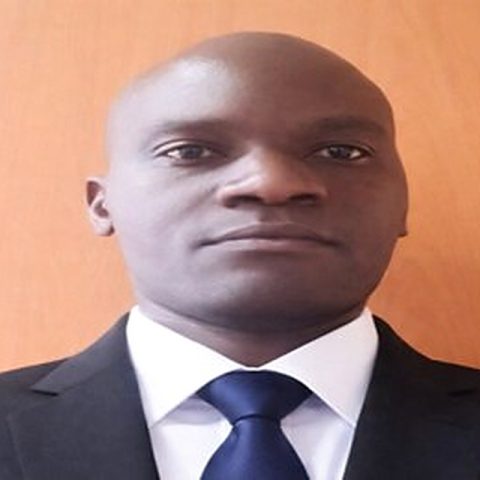
Kenya Border Management; formerly National Biosafety Authority, Kenya
Dr Odongo Oduor Joseph is a Kenyan molecular microbiologist, biotechnology specialist, and expert in the AI–Biosecurity intersection with over 12 years of multidisciplinary experience spanning biosafety regulation, biotechnology, artificial intelligence, adaptive data intelligence, and scientific research. He previously served as a Principal Biosafety Officer at the National Biosafety Authority of Kenya and is currently deployed to Kenya Border Management as an expert in adaptive data intelligence under Coordinated Border Management Framework, where he supports advanced data analytics, strategic risk intelligence, and cross-border coordination. He holds a PhD in Molecular Microbiology and Biotechnology and has contributed to research and innovation in molecular diagnostics, synthetic biology safety, predictive bio surveillance, bioinformatics, and AI integration within life sciences.
Driven by a vision for African-led scientific transformation, he develops collaborative AI ecosystems, research platforms, and knowledge-driven initiatives that integrate science, technology, and policy to address complex challenges in health security, agriculture, environmental governance, and emerging biotechnologies.
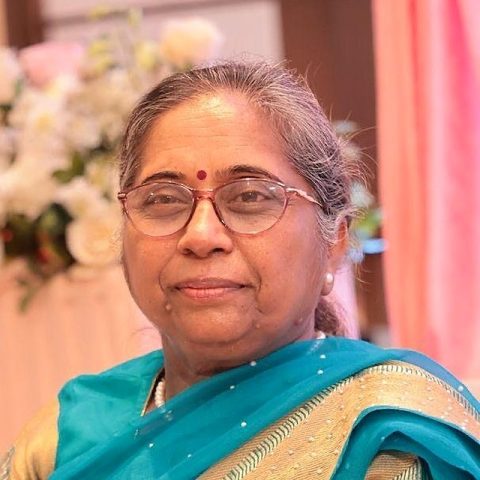
Biotech Consortium India Ltd, India
Based in New Delhi, India, Dr. Vibha Ahuja, Ph.D. (Microbiology) is the immediate Chief General Manager of Biotech Consortium India Ltd. She is an expert on biosafety and regulatory aspects, particularly with reference to genetically modified organisms, having more than 25 years of experience in the field. She is very well versed in issues related to the Indian biosafety regulatory framework and has been involved in the formulation and dissemination of guidelines. She has led the preparation of biosafety documents and communication/ outreach activities to stakeholders. Throughout her long and distinguished career, she has been actively involved in capacity building initiatives in India and throughout South Asia. Dr. Ahuja has been actively engaged in the policy issues related to gene editing in India through engagement in the development of policy briefs by National Academy of Agricultural Sciences and member of drafting committee constituted by the Department of Biotechnology. She also organized stakeholder consultations and programmes for creating awareness about regulations of gene editing.
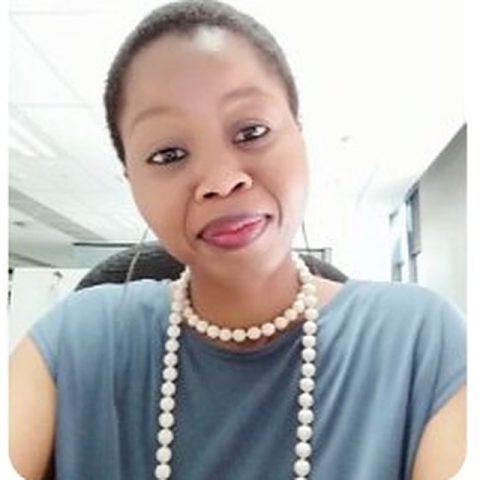
Department of Forestry, Fisheries and the Environment, South Africa
Ms Thato Mogapi has an academic background in microbiology, biotechnology, and public health, with extensive experience in the agriculture and environmental public sectors. Her work focuses on risk assessment and the management of genetically modified organisms, as well as alien and invasive species. She currently serves as the National Focal Point for the Cartagena Protocol on Biosafety and coordinates national implementation of the Convention on Biological Diversity–World Health Organisation joint programme on biodiversity and health. She also provides technical support to the national One Health Steering Committee, including as co-lead of the environment action track under the National One Health Framework.
Ms Mogapi is an Assistant Director for Biosafety and Alien Invasive Species at South Africa’s Department of Forestry, Fisheries and the Environment. In this role, she supports implementation of the National Environmental Management: Biodiversity Act (Act 10 of 2004) provisions on genetically modified organisms. Her responsibilities include conducting environmental risk assessments, evaluating GMO applications, developing ERA guidance documents, coordinating biosafety research, and supporting national implementation of the Cartagena Protocol on Biosafety and related Convention on Biological Diversity programmes.
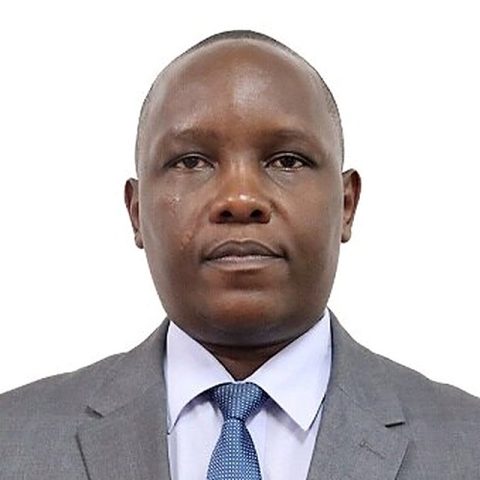
Kenya Medical Research Institute (KEMRI), Kenya
Dr. Martin Bundi is a Principal Research Scientist and Acting Director of Research Capacity Building at the Kenya Medical Research Institute (KEMRI). His work spans infectious diseases, biosafety and biosecurity, and health systems policy, with a focus on enteric pathogens, antimicrobial resistance, and global health security. He recently led the drafting of KEMRI’s institutional charter, culminating in its designation as an Institution of National Strategic Importance in Kenya.
Dr. Bundi holds a PhD in Medical Science from Nagasaki University and has over 17 years of research and leadership experience. He has served as a consultant to Africa CDC and FAO on laboratory systems, biosafety, and food safety governance. He is a certified Biosafety Professional and Global Biosafety Mentor, biorisk management professional by IFBA, and a former President of the African Biological Safety Association.
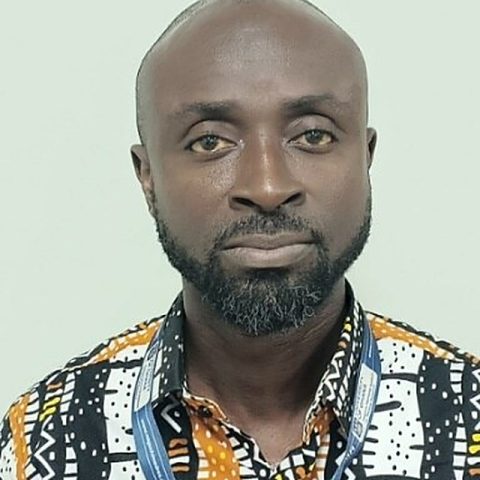
Chair, Biorisk Management Committee, Noguchi Memorial Institute for Medical Research, Ghana
Dr. Charles Quaye is currently the Safety Manager of the Noguchi Memorial Institute for Medical Research and Chair of the Biorisk Management Committee of the Institute. He is also Research Fellow at the Department of Parasitology, Noguchi Memorial Institute for Medical Research, University of Ghana. Dr. Quaye holds PhD in Microbiology from Kwame Nkrumah University of Science and Technology, and an MPhil in Applied Parasitology from the University of Ghana, he has dedicated his career to advancing biomedical research and improving public health outcomes. He has been instrumental in securing research grants, such as the Royal Society of Tropical Medicine and Hygiene Small Grants and the Noguchi Seed Grant, to fund studies on skin neglected tropical diseases (SkinNTDs) and acute febrile illnesses (AFI) among children in Ghana. In addition to his research, Dr. Quaye serves as the Quality Manager for the Department of Parasitology, ensuring high standards in Quality Management Systems (QMS). He is a lead auditor for Quality Systems (ISO 9001:2015), a SLIPTA programme auditor (ISO15189:2022), a certified Quality Management Professional and an IFBA Certified Biorisk Manager (ISO 35001:2019). He currently has the responsibility of managing Noguchi’s Biosafety Biosecurity programme and the institute’s Safety Office, coordinating safety protocols, and enhancing a safety culture within the biomedical research environment. Charles is very interested in regulatory frameworks and its implementation in a safe research environment and has supported several national training programmes on biorisk management. Beyond his professional endeavors, Dr. Quaye enjoys travelling, reading journals and novels, playing table tennis, and playing soccer.
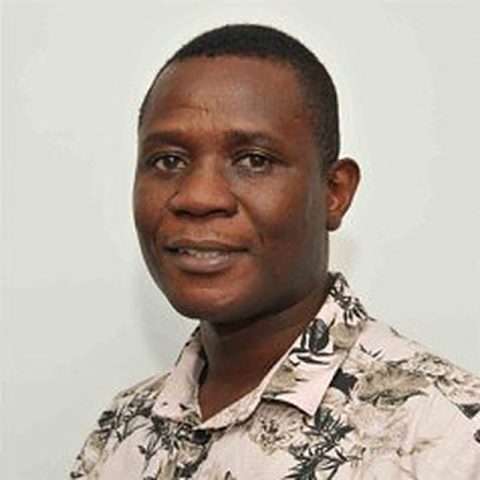
National Institute for Communicable Diseases, South Africa
Dr. Givemore Munhenga PhD (Medical Entomology) a South African NRF rated scientist working as a Principal Medical Scientist with National Institute for Communicable Diseases and a Senior Researcher at Wit Research Institute for Malaria. He holds a Doctor of Philosophy in Medical Entomology from the University of the Witwatersrand, a Masters in Tropical Entomology from University of Zimbabwe and a BSC Hons in Applied Biology and Biochemistry from National University of Science and Technology (Zimbabwe). Dr Givemore Munhenga has over ten years’ experience in providing expertise and research in both public health and agriculture. His work portfolio includes giving entomological support to National Malaria Control Program, assisting designing framework for vector control operations and development of vector collection tools applicable under low malaria transmission.
Dr Munhenga research focuses on the biology and ecology of insects of medical importance particularly malaria vectors. Givemore is passionate about using such information to develop novel vector control approaches. Currently he is leading a research group investigating the potential of applying the Sterile Insect Technique technology as an additional vector control tool against the African malaria vector Anopheles arabiensis.
Dr Munhenga has over 10 years’ experience in designing and leading community and regulatory engagement for safe and ethical roll out of novel vector control interventions including genetic control-based approaches such as the Sterile Insect Technique.
Dr Givemore Munhenga is a Member of the Pan African Malaria Control and American Mosquito Control Associations. He is involved in a number of academic citizenships that includes peer-reviewing, examination of postgraduate thesis, teaching and supervision of postgraduate students.
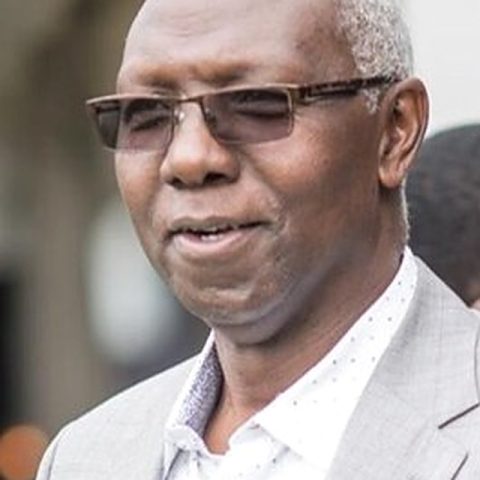
Science policy & research governance, Kenya
For over the past 31 years, Dr Langat worked across science policy, research governance, and public sector leadership at national, regional, and international levels. His career has centred on strengthening the institutional and regulatory frameworks that underpin responsible scientific research, innovation, and international collaboration.
At the national level, he played a leading role in establishing Kenya’s accreditation system for research ethics committees across universities and research institutions and served as Secretary to the National Bioethics Committee. He also served as a board member of the Kenya Medical Research Institute and oversaw the development and implementation of bilateral research collaboration agreements with South Africa, Japan, and France.
At the regional and international level, Dr Langat served as a member of UNESCO’s Intergovernmental Bioethics Committee and as a steering committee member of the Africa Vaccine Regulatory Forum, contributing to the harmonisation of standards, cross-border review processes, and regulatory frameworks for science and innovation.
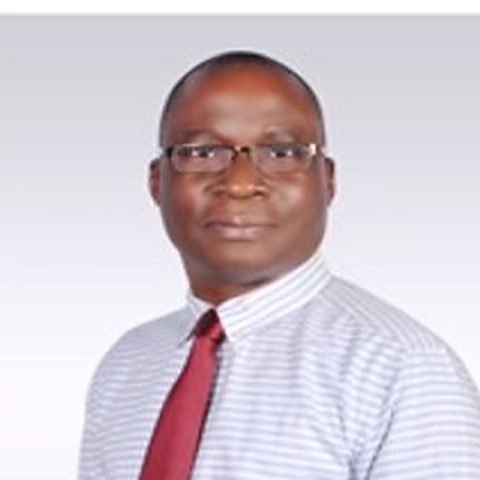
Independent Consultant; formerly AUDA-NEPAD
Moussa Savadogo is a regulatory affairs and environmental biosafety expert with more than 13 years of experience in genetically based vector control and agricultural biotechnology. He has worked extensively with AUDA-NEPAD, where he led biosafety initiatives, supported regulatory capacity-building across Africa, and contributed to regional platforms and international biodiversity negotiations. Since August 2024, he has worked as an independent consultant, providing technical assistance on biosafety, gene drive mosquitoes, and GMO application dossier development and review in countries including Burkina Faso and Mali. He holds a PhD in Applied Biological Sciences from the University of Ouagadougou and has also served as a visiting scholar at Michigan State University.
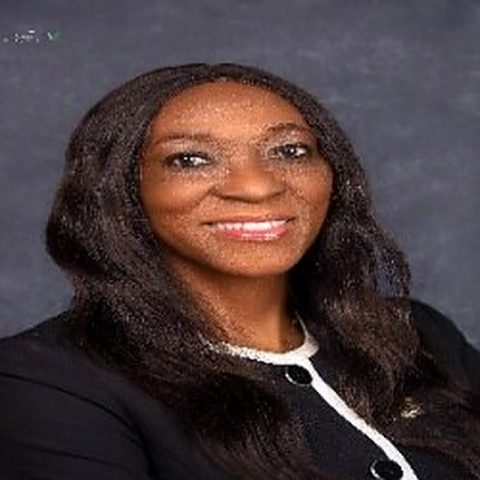
National Biosafety Management Agency, Nigeria
Dynamic leader with extensive experience at the Federal Institute of Industrial Research Oshodi and National Biosafety Management Agency excelling in strategic planning and project management. Successfully implemented ISO 17025:2005 accreditation, enhancing laboratory standards. Adept at fostering collaboration and driving quality assurance initiatives, while promoting staff development and regulatory compliance to achieve organizational goals.
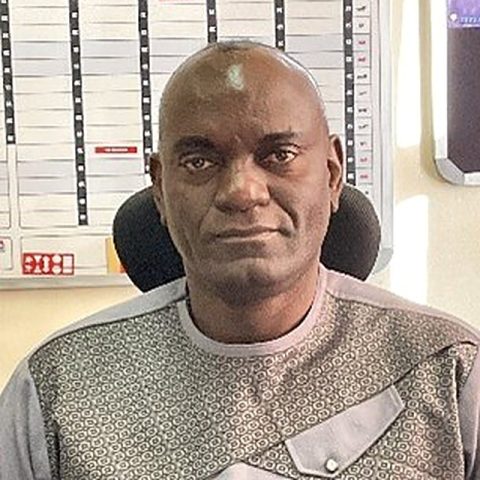
Chairperson, African One Health Network (AfOHNet)
Dr Misheck Mulumba is an International Animal Health Consultant and previously the head of Animal Health and Protection at the Agricultural Research Council-Onderstepoort Veterinary Institute (ARC-OVI). He is a member of the World Organisation for Animal Health (OIE) Scientific Commission for Animal Diseases (SCAD) and the current Chairperson of the African One Health Network (AfOHNet). He holds a Bachelor of Veterinary Medicine Degree (BVM) from the University of Zambia, A Master of Science degree from Reading University and a Doctor of Philosophy (PhD) from the Prince Leopold Institute of Medicine in Belgium. His background training is in Epidemiology, Ticks Tick-borne diseases and Transboundary animal diseases (TADs). He has extensive field and laboratory experience in the following fields; vaccine production, TADs especially foot and mouth disease (FMD), peste des petit ruminants (PPR), contagious bovine pleuropneumonia (CBPP), trypanosomosis and tick-borne diseases (TBDs). He has published extensively on TBDs and TADs. His interest branched off into One Health and he served as the Co-Chair of the South African One Health Forum and is the current Chairperson of the African One Health Network (AfOHNet). He is also an Editor on the PLoS journal. He is also the past Editor in Chief of the Onderstepoort Journal of Veterinary Research. His previous positions include being Director for the African Union/Centre for Ticks and Tick-borne Diseases (AU/CTTBD); and Project Coordinator and Network Surveillance Expert on the $21.6m African Development Bank funded project for the then 15-member Southern African Development Community (SADC). He was also the Chief Veterinary Officer and Sub-program Manager, Animal Production and Health for the Ministry of Agriculture, Food and Fisheries in Zambia; Project Manager for ASVEZA, a Belgium-funded animal health project where he was responsible for the administrative, financial and scientific management of the project. He served in the veterinary field services as a Government Veterinary Officer in Zambia. Dr Mulumba is also a founding member of the African Chapter of the Wildlife Disease Association (WDA) the IUCN Veterinary Specialist Group and the Veterinary Association of Zambia (VAZ). Dr Mulumba is a member of the Academy of Science in South African (ASSAf) Standing Committee on Biosafety and Biosecurity.
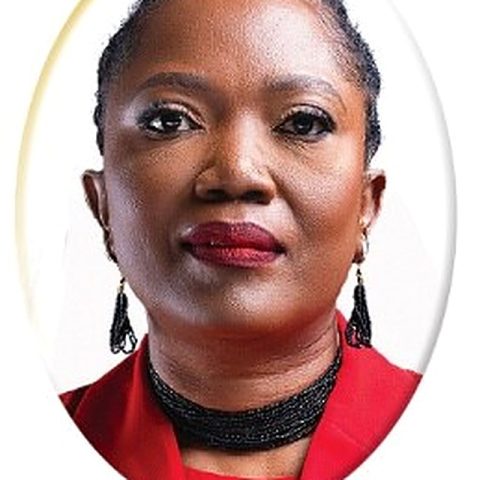
Network of African Science Academies (NASAC)
Dr. Jacqueline Kado is the Executive Director of the Network of African Science Academies (NASAC), a consortium of 32 science academies spanning diverse scientific disciplines across the African continent. She holds a Doctorate in Human Development from Atlantic International University, USA, a Master of Arts in Project Planning and Management, and a Bachelor of Education in Commerce and Mathematics, both from the University of Nairobi, Kenya. With over 20 years of experience, Dr. Kado has been at the forefront of initiatives that bridge the gap between science and policy in Africa. A staunch advocate for homegrown solutions, she champions the role of science in driving sustainable, African-led development. Her leadership is marked by a commitment to fostering self-determination through the strategic integration of science and policy. Dr. Kado serves on several international boards and committees, contributing her expertise to regional and global initiatives. Her work embodies a vision for Africa’s scientific community to be a cornerstone in addressing the continent’s developmental challenges.
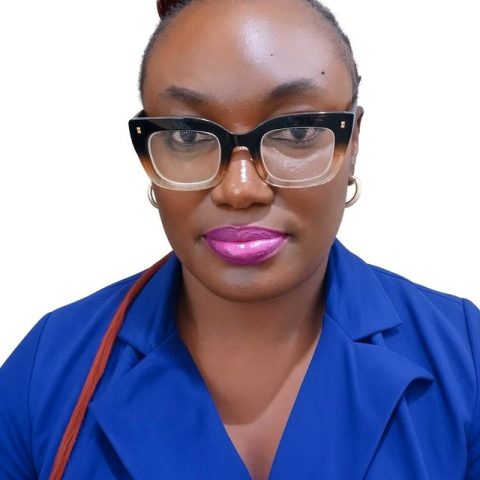
National Biosafety Management Agency, Nigeria
Gloria Ogbaki, PhD, is a science communication strategist with over a decade of experience shaping public trust in biotechnology regulation across Africa. As Head of Information and Public Relations at Nigeria’s National Biosafety Management Agency, she designs and leads the national communications strategy for the regulation of modern and emerging biotechnology and biosecurity, translating complex regulatory science into public-facing engagement across media, policy, and community stakeholders. She chairs the African Science Communicators Forum, advancing science communication as infrastructure for evidence-based governance across the continent. Gloria holds a PhD in Development Communication, specializing in Science Communication, Biotechnology, and Biosafety, with doctoral research examining Nigeria’s national biosafety communications strategy, grounding her practice in the same regulatory systems she now helps govern.
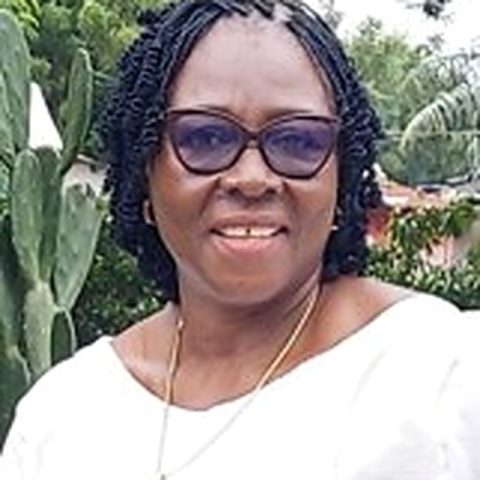
Media Platform on Environment and Climate Change (MPEC), Ghana
Ama Kudom-Agyemang is a seasoned environmental, climate change and science communication specialist with over 20 years of experience in journalism, media training, and development communication across Africa. An award-winning journalist, she is known for simplifying complex climate, biotechnology, and natural resource issues for diverse audiences. She is a Columnist for Business & Financial Times; reports for Environewsnigeria.com; and leads the Media Platform on Environment and Climate Change (MPEC). Ama coordinates MPEC’s flagship activity – The Biennial Media Forum on Natural Resources, Environment, Climate Change and Science (BiM NECS). It is a high-level platform that convenes journalists, scientists, policymakers and civil society to foster informed, evidence-based media engagement on pressing environmental and climate issues in Ghana and across Africa. As a media trainer, communication consultant and a commissioned writer/documenter, Ama has provided services to clients including the Japanese Government/UNDP, UNICEF Ghana, NEPAD, African Genetic Biocontrol Consortium; IUCN Ghana, Proforest, Care Ghana, Ghana’s Forestry Commission, National Biosafety Authority and Lands Commission to promote media understanding and public discourse on environmental resilience, climate change-science nexus and sustainability. From July 2021 – December 2024, she served as the Regional Chairperson of the Ghana’s Bono East Regional Lands Commission and was also a member of the National Lands Commission. Ama holds an MA in Development Communication and is a respected voice in promoting impactful media engagements for worthy causes.
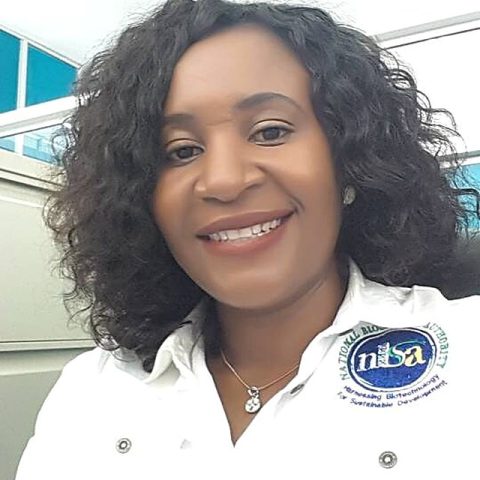
National Biosafety Authority, Zambia
Sandra is an accomplished communications specialist and passionate science communicator with over two decades of experience in Media and Communications. She currently is currently incharge of Communication at the National Biosafety Authority in Zambia, where she has led nationwide awareness, education, and stakeholder engagement programs to strengthen public understanding of biotechnology and biosafety. A firm believer in collaboration between scientists, researchers, and the media, Sandra champions clear, concise, and impactful communication to bridge gaps between science and society. She holds a Master of Science, a Bachelor of Arts in Communication and Public Relations, and a Diploma in Journalism, underscoring her commitment to excellence in science communication and public engagement among others
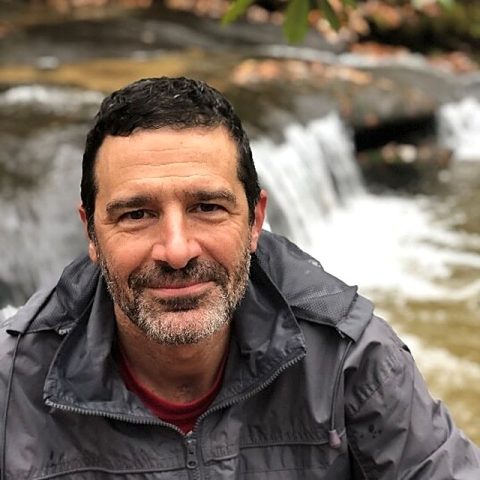
GeneConvene
Royden is a passionate advocate for collaboration across diverse fields, bridging vector control innovation, ecosystem resilience, human health, and community wellbeing. As a Senior Technical Expert for Population Health Science at GeneConvene, he builds and sustains cooperation among governmental, academic, non-governmental, and international organizations, strengthening the knowledge and capacity jurisdictions need to make informed, equitable decisions about genetically modified mosquitoes as a tool to reduce malaria-related illness and death.
Before coordinating the Gene Drive Research Forum for GeneConvene, Royden unified 3 governments, 3 universities, and 3 non-profits across the US, Australia, and New Zealand to develop genetic tools for preventing species extinction on islands. Through the Genetic Biocontrol of Invasive Rodents Consortium (GBIRd), he championed genuinely interdisciplinary collaboration, ensuring social scientists, ecologists, mathematical modelers, and regulatory experts stood as equal partners alongside geneticists in this transnational work.
Before turning to conservation, Royden held a series of high-stakes public health roles, including Chief Microbiologist for the NC Department of Agriculture. At the North Carolina Department of Health and Human Services, he served as Public Health Scientist for assay and process development in public health emergencies and as Senior Manager of the Bioterrorism and Emerging Pathogens Diagnostic Team leading several teams and facilities across his state of 9 million people. He served internationally with the Guyana Ministry of Health as a Public Health Expert, and during the major West African Ebola epidemic, worked in the community as biosafety/laboratory referent for Médecins Sans Frontières (MSF) in Liberia. In 2020, he volunteered with WHO’s Global Outbreak Alert and Response Network (GOARN) to strengthen COVID-19 detection and understanding in Papua New Guinea.
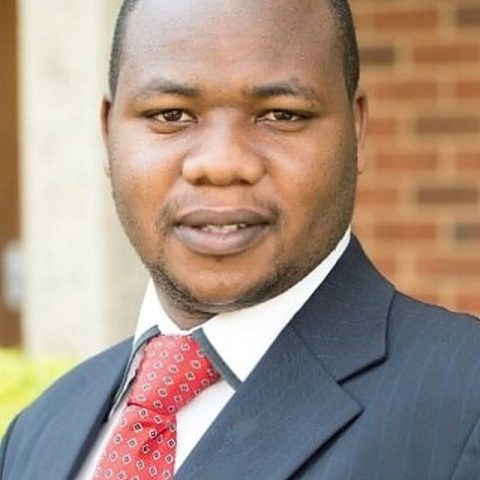
Kenya Forestry Research Institute (KEFRI), Kenya
Hillary Sang is a seasoned strategic communication professional with extensive experience in corporate communication, stakeholder engagement, public participation, media relations, digital communication, risk communication and reputation management.
He currently works at the Kenya Forestry Research Institute (KEFRI) and previously served at the Kenya Water Towers Agency (KWTA) and the National Biosafety Authority (NBA). His seven-year tenure at NBA provided him with significant expertise in biotechnology and biosafety communication, particularly from a regulatory, risk communication and public engagement perspective.
Mr. Sang holds a Master of Business Administration (MBA) from Strathmore University, a Master’s degree in Development and Corporate Communication from Daystar University, a Bachelor’s degree in Communication and Literature from the University of Nairobi, and a Postgraduate Diploma in Mass Communication from the Kenya Institute of Mass Communication. He is currently pursuing a PhD in Communication and Information Studies at the University of Nairobi.
He has also undertaken specialised training in biotechnology, biosafety, grassroots mobilisation, senior management and strategic leadership. He has been a member of the Public Relations Society of Kenya (PRSK) since 2014.
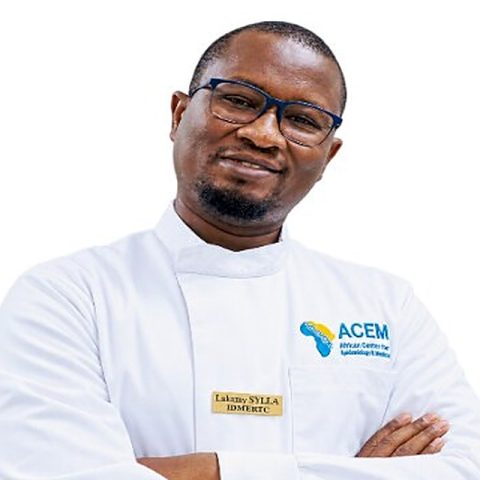
Keele University & ACEME, Mali
Lakamy Sylla is a PhD Researcher at Keele University and Co-Investigator at the African Center for Excellence in Molecular Engineering (ACEME). His work is focused on the genetic manipulation of reproductive genes in Anopheles gambiae mosquitoes – one of the main vectors of malaria in sub-Saharan Africa. He is investigating an approach which could be leveraged to reduce the number of these mosquitoes and therefore reduce malaria transmission. He currently shares his time between Keele University in the United Kingdom and the African Center of Excellence in Molecular Engineering (ACEME). Established at University of Sciences, Techniques, and Technologies of Bamako (USTTB) in Mali, ACEME serves as a regional research and training center designed to strengthen African scientific leadership and contribute to global efforts to develop innovative, responsible, and locally driven approaches to vector control. Lakamy also previously worked as Insectary Lead at the Malaria Research and Training Center MRTC) in Bamako, Mali, for Target Malaria, a not-for-profit international research consortium whose aim is to co-develop and share novel genetic technologies to help control malaria.
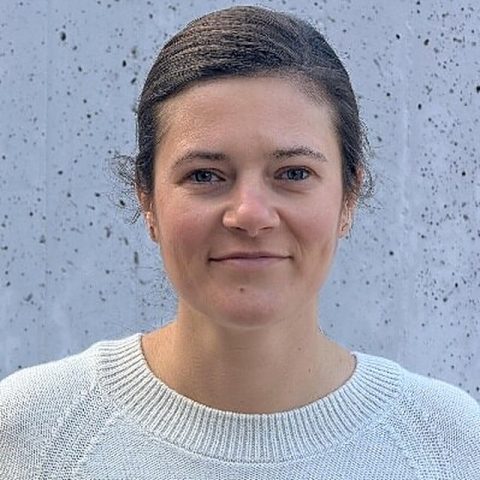
German LabConCert GmbH, Germany
Rajka Fritsch is CEO of German LabConCert GmbH, where she provides consulting and qualification services for biosafety and GMP laboratories. With a background in biology and philosophy, she brings a structured, risk-based approach to the planning, operation and assessment of complex laboratory and manufacturing environments. Her professional experience covers biosafety laboratories, high-containment facilities, GMP cleanrooms and sterile manufacturing areas, with a focus on safe, compliant and practical facility concepts. Rajka supports clients in biosafety and GMP consulting, qualification and validation, risk assessment, quality assurance, design review, operational planning and decontamination strategies. She has worked on projects across Europe and internationally, helping institutions develop laboratory infrastructure that meets technical, regulatory and user requirements. Before founding her current role, she gained experience in quality management and internal auditing for laboratory containment systems. Rajka contributes expertise in biosafety, GMP and laboratory compliance to multidisciplinary projects.
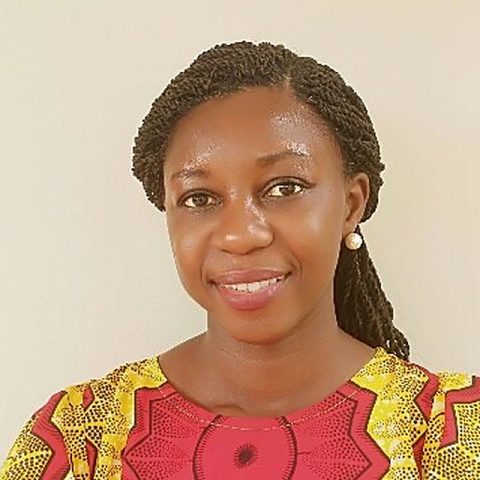
Noguchi Memorial Institute for Medical Research, Ghana
Prof. Jewelna Akorli is an Associate Professor of Molecular Entomology and Lead of Vector Research at the Noguchi Memorial Institute for Medical Research, University of Ghana. She has keen research interests in molecular and genomic understanding underpinning vector capabilities and competence. Her current research focuses on elucidating the inter-relations between disease vectors, their endosymbiotic micro-organisms (microbiome), human parasites and ecological influences on these, with the aim of finding innovative and effective symbiont-based vector and disease control strategies. She is ultimately interested in bridging the gap between laboratory findings and field relevance in novel proposed tools for vector control.
Prof. Akorli has won several prestigious grants including the Wellcome Trust Intermediate Fellowship and the ANTIVeC African Anopheles Symbiont Survey Award, both of which have supported her research vision. She is a co-founder of the Mosquito Microbiome Consortium, a group of scientists from the Global north and Global south with shared interests in advancing and standardizing methods for mosquito-microbiome research through collaborations and knowledge transfer.
Although, primarily focused on mosquito-microbiota studies, she is also involved in various Aedes mosquito and tick ecology, and population diversity studies through long-standing collaborations. She is a founding member, current Secretary and a member of the scientific sub-committee of the West African Aedes Surveillance Network (WAASuN). She is also a Council Member of American Committee of Medical Entomology (ACME)-ASTMH.
She generally enjoys mentoring and providing training opportunities for young scientists in entomological research. She has supervised 13 postgraduate students since 2017 and has co-authored 53 publications in peer-reviewed journals.
No members match your search.